News

Bilbao to Guernica

Day 1: 11th July 2026

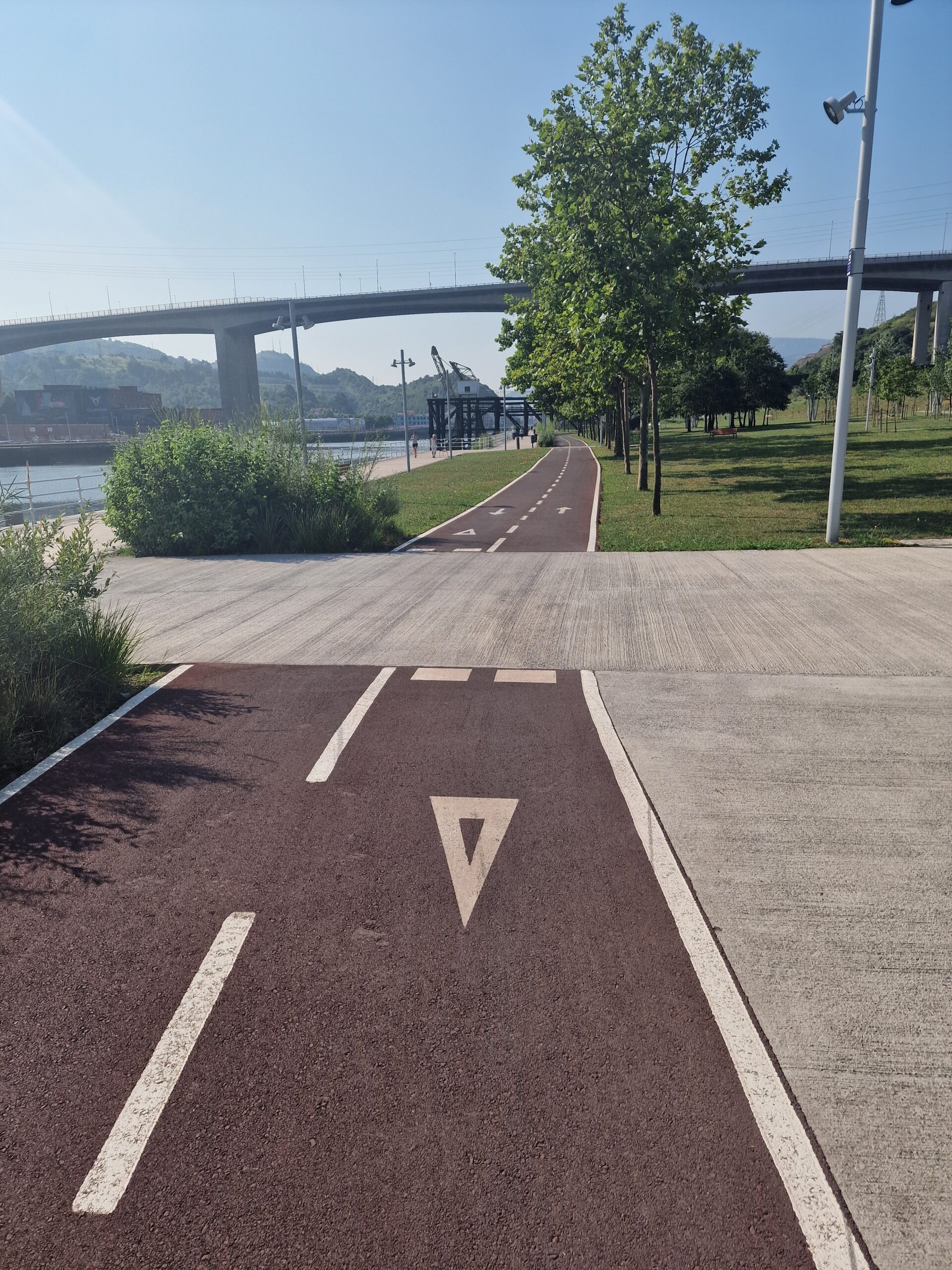
The journey from England to Bilbao had been very smooth with calm seas. On arrival it was very enjoyable talking to other cyclists in the passport queue. They were departing in all sorts of directions. A number were following a similar route to mine up in to France. But nevertheless, I was concerned about my onward journey, as my route took me into Bilbao and then out across the steep hills to Guernica, which was my first stop. As it turns out, the way into Bilbao is very good for cyclists. There is a cycleway almost all the way into the centre.

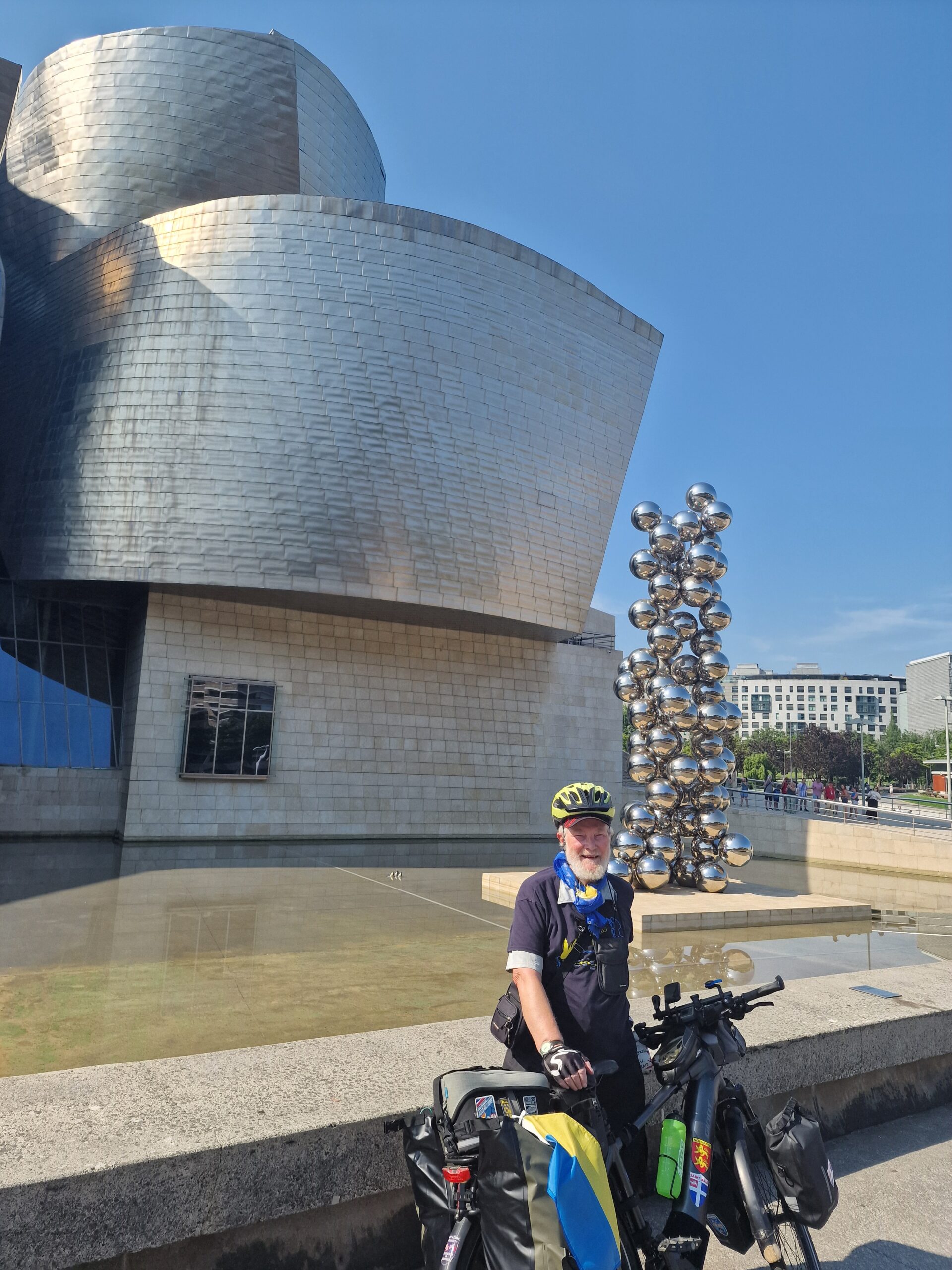
I stopped at the Guggenheim Museum, which is one of the most significant buildings in the city. The cycle path took me straight there. 

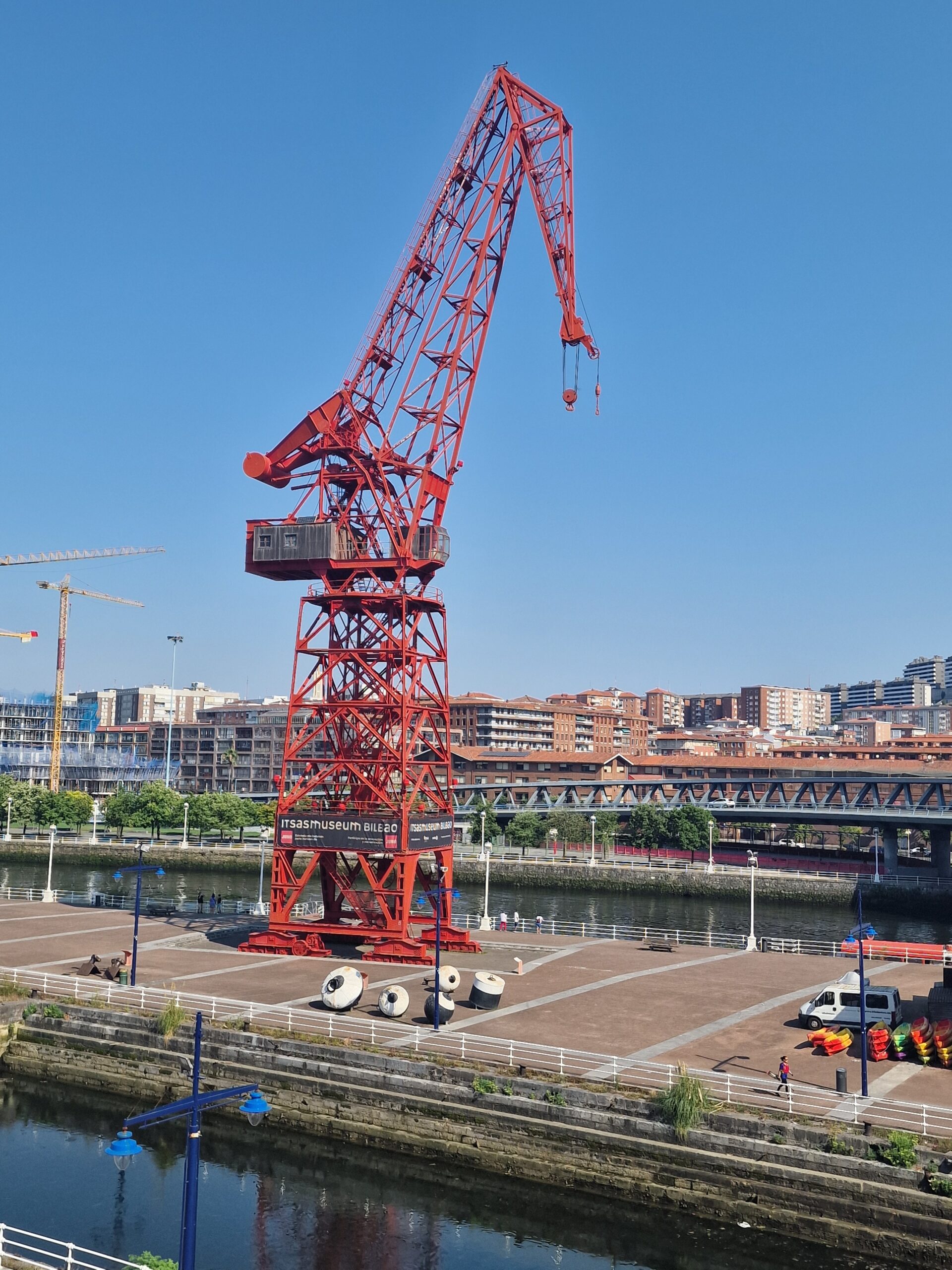
On the way in, over a distance of probably about 10 miles, you  pass by very old industrial buildings, some of which are still in a state of decay, whereas others have been cleared and new buildings put up. Some of the old architecture, including cranes on the dockside, have been preserved. I had breakfast on the way in, which consisted of a café con leche and a bocadillo, as well as a  freshly made glass of orange juice. When I got to the Guggenheim Museum, I took the chance to have a coffee overlooking the park which surrounds it. There were many tourists there. Still a very popular place. By now the weather’s hotting up, and temperatures reached at least 33 C. 

I was most concerned about how I would get from here to Guernica, because I knew that the only way would be on a main road for about 15miles. But luckily enough, it was a Saturday, and there were hardly any big lorries and, to be honest, very little traffic. But what there were, was lots of cyclists. It’s obviously a very popular sport around here, and you could see lots of groups cycling along in their super Lycra uniforms. 

Beautiful countryside!
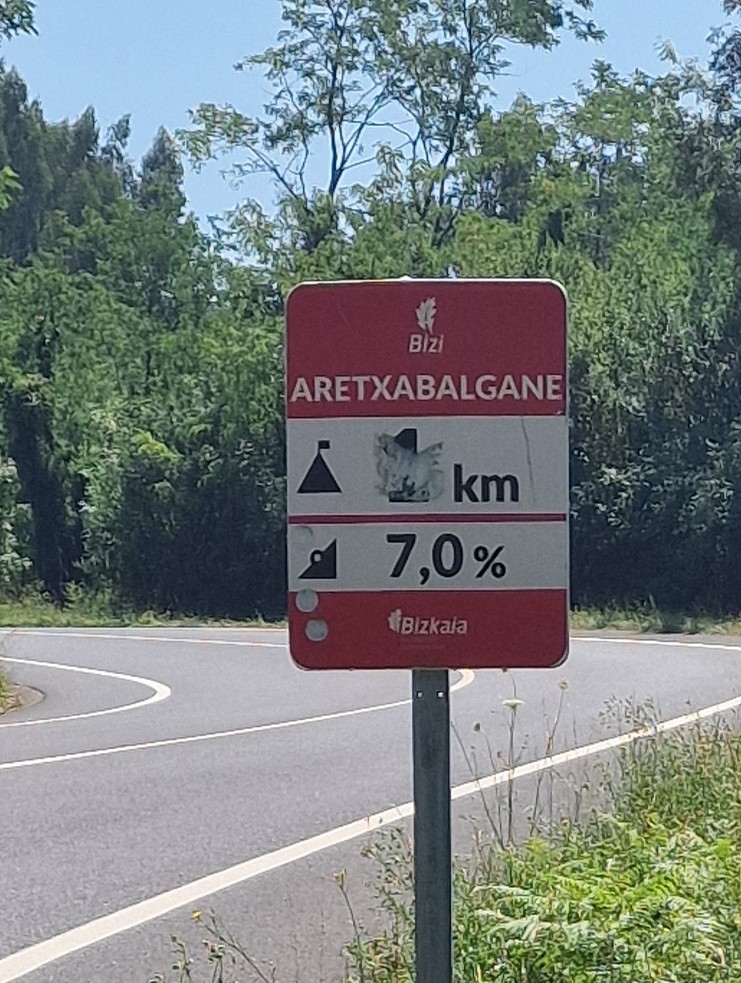
Those climbs!

After some long while, I take the turning to Guernica, and this is a much quieter road, but this is where the hills are, which was concerning. My Garmin device showed me some steep hills, and I was concerned about not being able to restart if I stopped on a hairpin bend, of which there were many. As it turned out, it wasn’t as bad as I feared, and I crested the hill with only one small ascent to come, and mostly downhill to Guernica. 

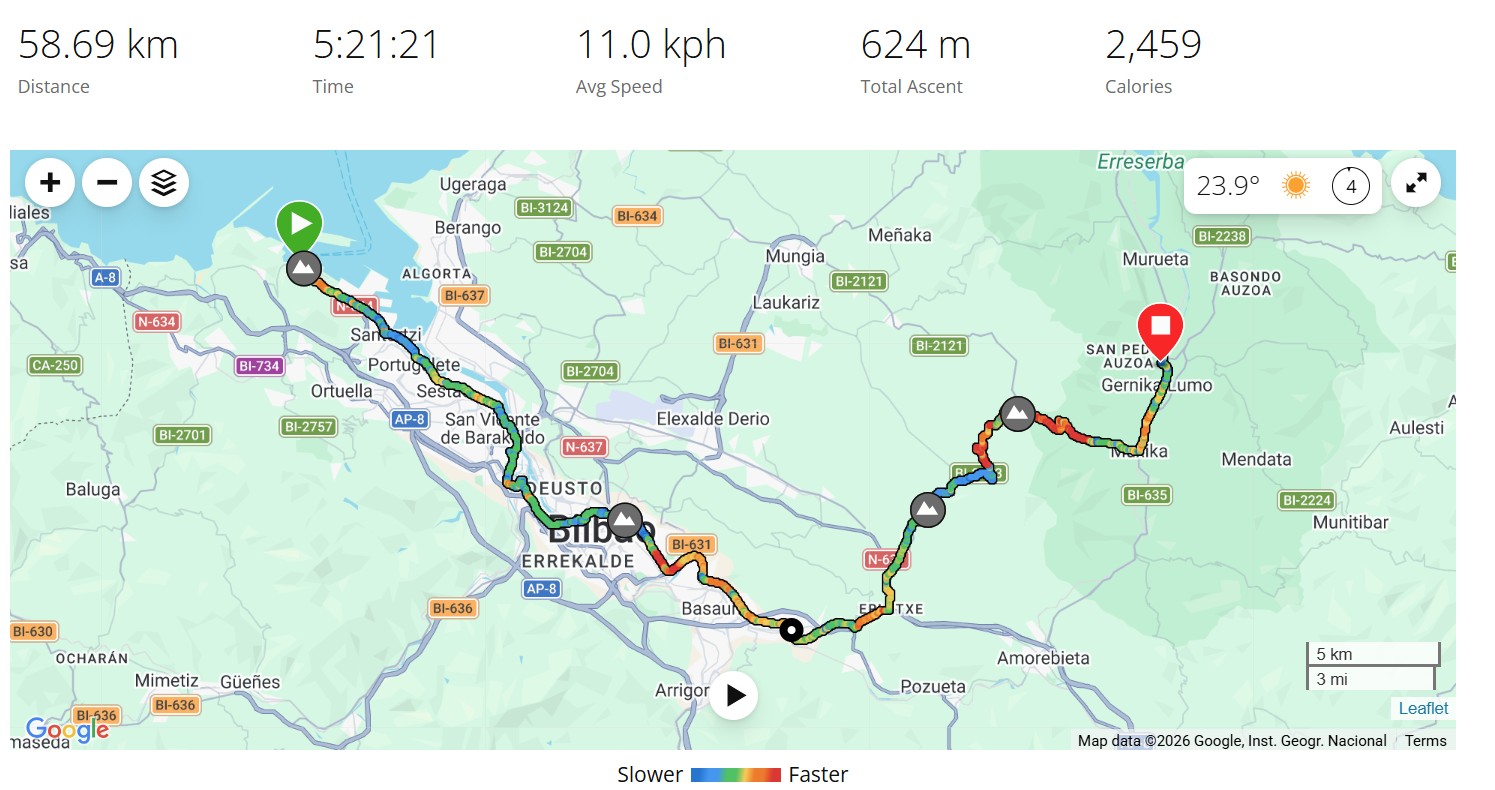
The journey:

The whole journey was completed between about 9:00 a.m. and 2:30, so I had the rest of the day to visit Guernica, which was an important objective on this charity mission for Ukraine.

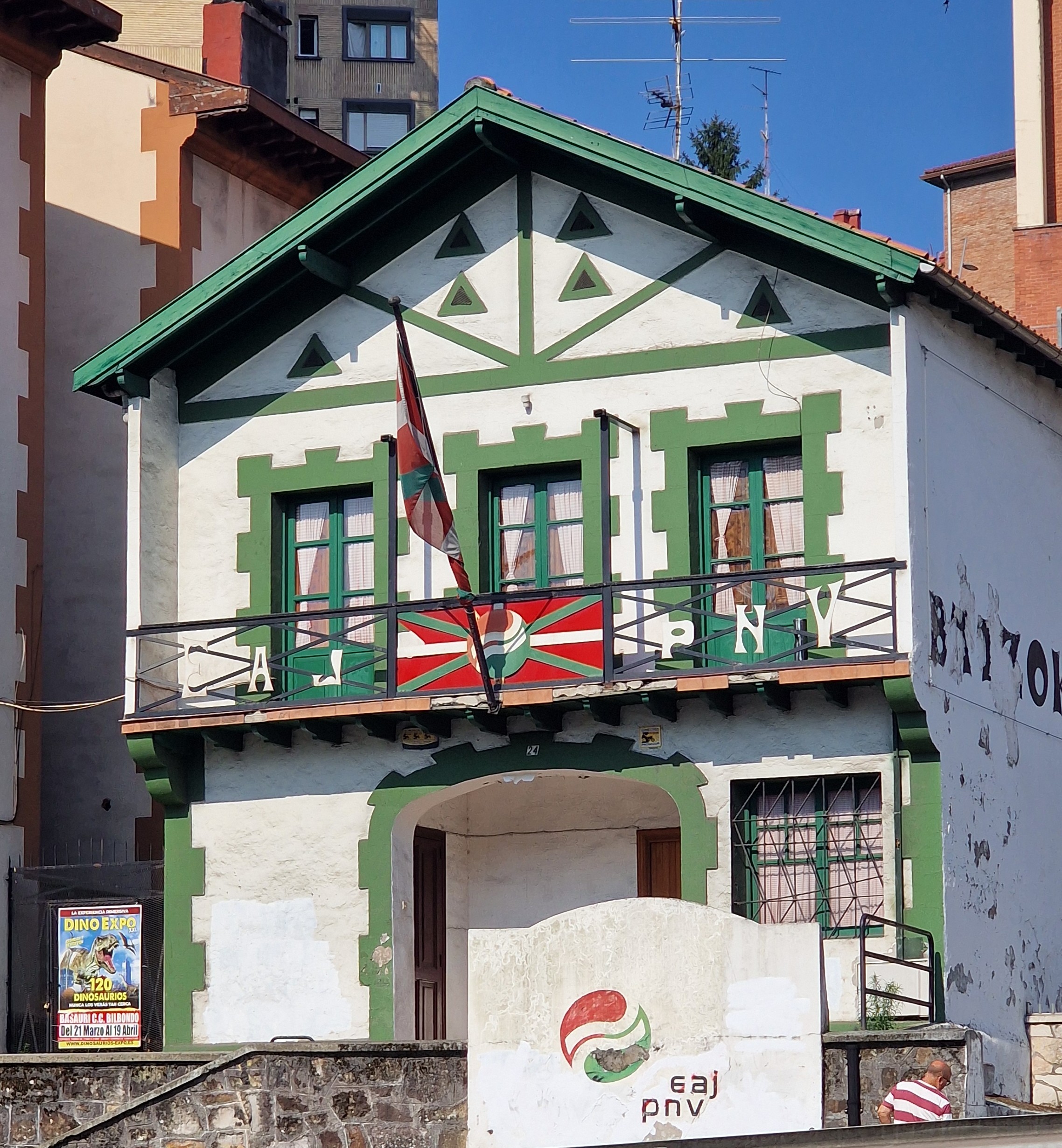
Traditional Basque house

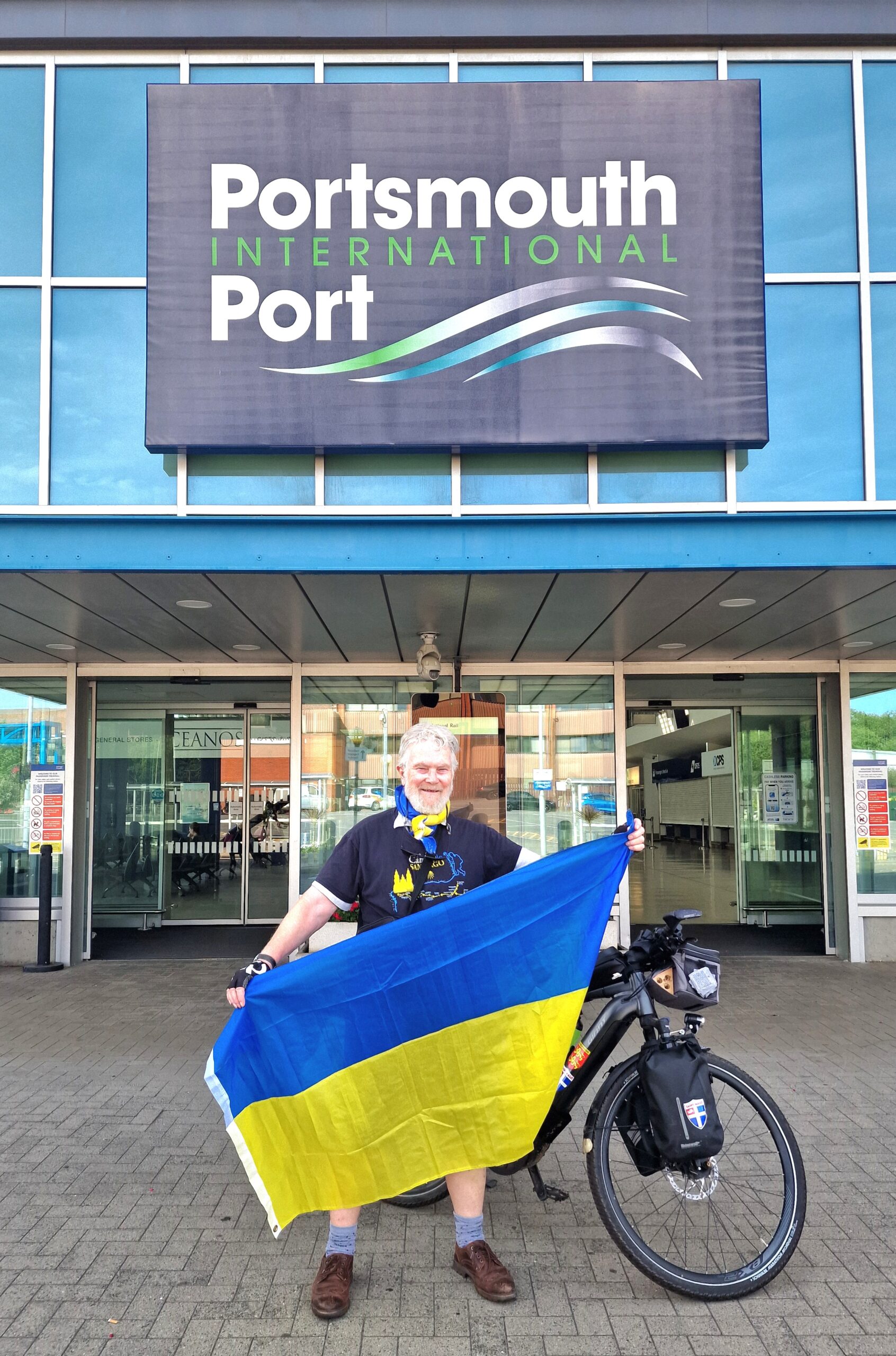
The Journey Begins!

My journey has begun!

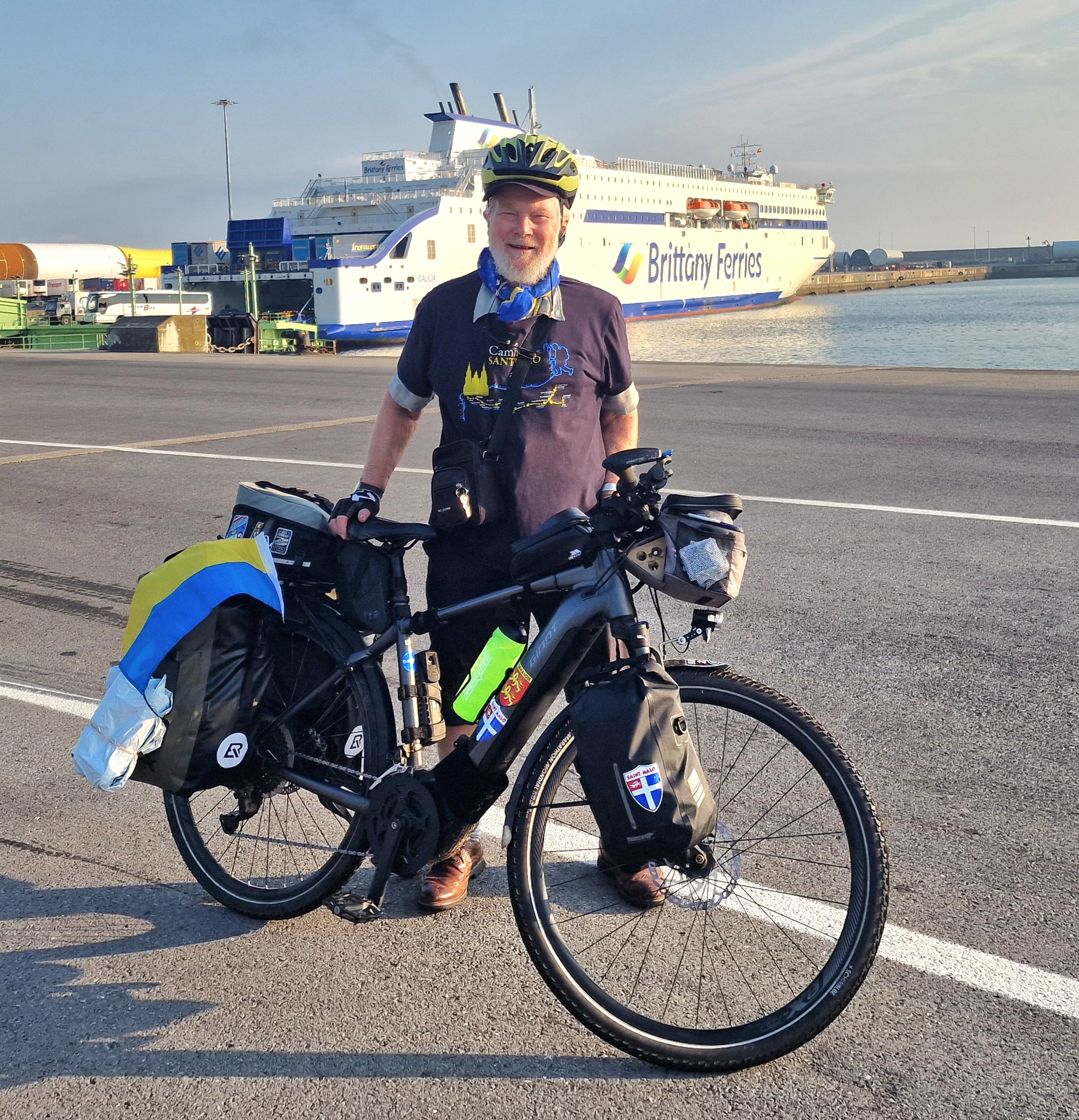
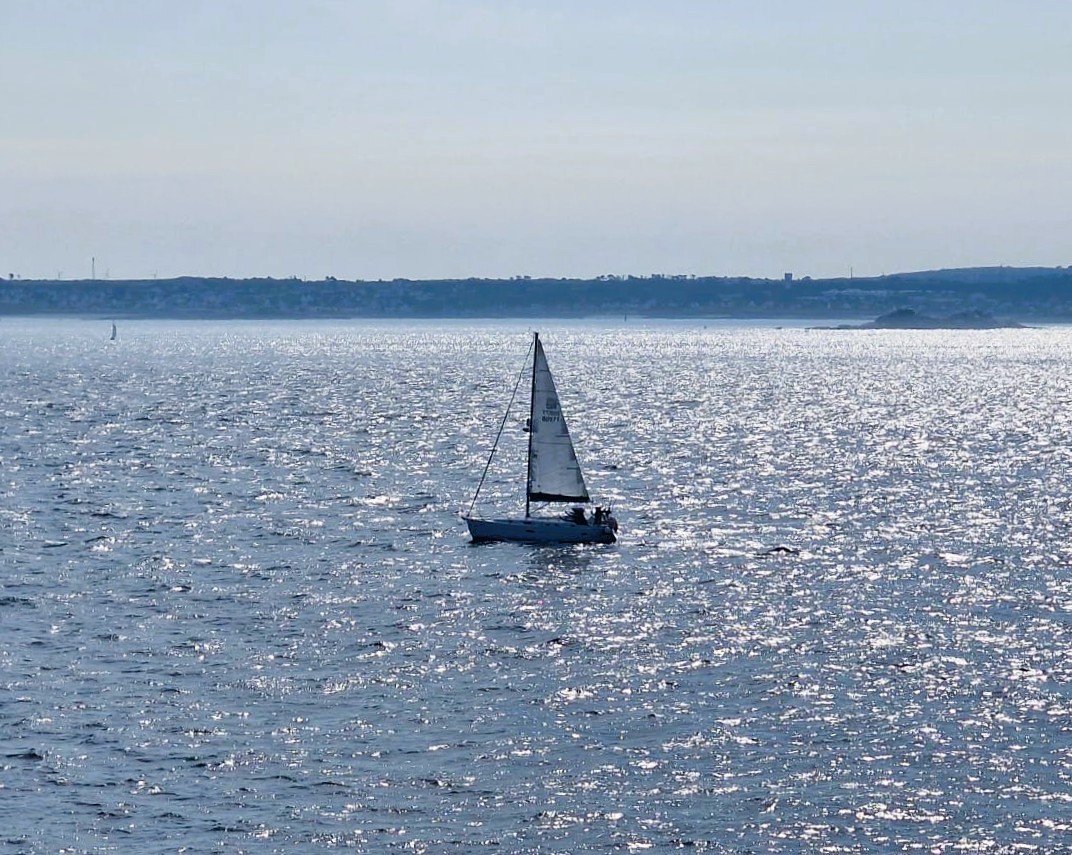
Yesterday I departed from Lewes in Sussex for the ferry journey from Portsmouth onboard the Brittany Ferries ship ‘Galicia.’  Right now I’m off the cape of Finistère Brittany. No I haven’t transferred to the yacht!! Just a to the cape view on this beautiful morning!

On the ferry I have met  fellow cyclists Greg and Joy. Amazingly they are following much the same route as me up the west coast of France on the Atlantic Coast Route EuroVelo 1 (La Vélodyssée)

Tomorrow at 7am (UK time) the cycle ride begins in Bilbao!


Europe on the Edge with Katya Adler

Report by Victor S Ient  

Europe on the Edge with Katya Adler

If you are interested in travelogues or current affairs and geopolitics this is an amazing BBC series to watch. See: https://www.bbc.co.uk/programmes/m002s6ym

It spells out the challenges on many different fronts, –  from  the Mafia in Italy to NATO’s role in an aggressive Trump era to climate change in Spain and space rocket technology in French Guiana.

I have watched this three part series in a bit by bit fashion which is one of the benefits of BBC iPlayer. in some parts she’s raising some very concerning issues but in the final episode her visit to the European Space Agency was inspiring seeing people from all over Europe working together building our own satellites. It was also interesting about how big the European Airbus aircraft construction company is with  manufacturing being carried out across Europe.

Katya Adler explores a continent facing renewed instability after Russia’s invasion of Ukraine, shifting US commitment to NATO under Donald Trump, and rising migration. Despite this serious backdrop, the series often feels like a scenic travelogue, with Adler moving from Italy’s beaches and Siena’s horse races to Bavaria’s fairy-tale castles, highlighting Europe’s enduring charm and its cultural sense of Gemütlichkeit—a cosy, contented way of life now under threat.

Beneath the postcard imagery lies a more troubling message: Europe’s major powers—Germany, France, Italy and Spain—are divided and struggling to respond cohesively to global pressures. In Italy, scepticism about supporting Ukraine reflects both political nostalgia and economic dependence on Russian energy. Germany’s historical guilt still shapes perspectives on Russia, sometimes in questionable ways. France aspires to lead Europe independently of the US but is constrained by domestic economic pressures, while Spain prioritises climate change over defence spending, limiting its geopolitical role.

———————

[The image at the head of this article is to accredited to – S. Corvaja  ESA Standard Licence]


Putin!

Yesterday, 19th Feb 2026,  the Russia-Ukraine peace talks ended without breakthrough. Next week on the 24th it will be the 4th anniversary of the Russian invasion into Ukraine.  To mark this anniversary I’m publishing a few articles. This one sets the historical background so far as my personal experience is of the ‘Putin effect’.  

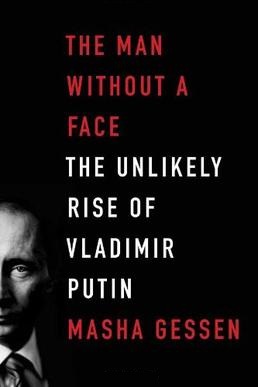
My fears have increased over the decades in tandem with increasing grip on power. The subject matter of Putin’s rise to power is too wide for me to cover in a short article. I recommend reading the book by Masha Gesson entitled ‘Man Without a Face – the Unlikely Rise of Vladimir Putin. 

But for now let’s turn to Latvia and my first introduction to the ‘Putin effect’.  I was lucky enough to visit Latvia shortly after it gained independence from the USSR, (Russia, as it is now). It was an interesting and enjoyable visit, and I loved talking to the people there. They were… seemed to me a peaceful, loving nation.  However, now let’s turn to some darker days back in the 1970s when Latvia was within the USSR. On my travels in Latvia, I met two lady university lecturers. They told me of their story of being arrested during the night at their homes and bundled into cattle wagons in a horrid journey of 2 weeks, to Siberia to a gulag, where they spent the next 20 plus years in a hard labour camp. . They were beautiful ladies, but when you looked at their hands, they were gnarled and disfigured by hard labour. They showed me their house, which had been confiscated by the party elite for their Baltic seaside holidays. They explained to me that the KGB lieutenant colonel who was in charge of the operation was Vladimir Putin. You could hear the fear in their voices, even though they were in a free country now, Latvia. Their only crime was to be teaching English literature studies. Effectively, the communist regime of the time was trying to get rid of the intelligentsia in Latvia. 

The lecturer’s fears were confirmed when I visited a farmer whose home is out in the east of Latvia which is within an hour’s drive of the Russian border. The farmer said that the biggest worry he has was the fear of waking one morning to seeing Russian tanks roll across the open plains to the east of Riga, the capital of Latvia.

Western business and governments 

After the rise to power of Putin, I was very surprised by how quickly various companies in the west scrambled around to make deals with Putin, and the Russian newfound major corporations. For instance BP was one of these. By 2022 it had become a major long-term investor in Russia stretching back over 30 years.  Why on earth did Germany agree to the installation of a gas pipeline in the Baltic direct to Germany? Angela Merkel should have seen the warning signs at the meeting she had with Putin in 2007. Putin allowed his big dog to wander near her during a photo opportunity, which many observers viewed as a calculated, intimidating “power play”.

Meeting with a young Russian business executive. 

I have always wanted to talk to a young Russian and find out why there is such unequivocal support for Mr Putin. My opportunity came whilst staying at a beach resort hotel in South East Asia in 2009.  I had a very interesting conversation with a 33 year old Russian businessman about politics in Russia. We were both in the bar enjoying our happy hour drinks overlooking the sea and met. Quite soon, my wife & Egor’s wife left us to our conversation of politics and democracy. He was from the north near the White Sea. His English was very good, having spent two years at Newcastle University. He was a sales manager working for a very large coal company responsible for dealing with eastern Europe and some western companies like EDF. He asked me to be quite frank with my questions so I asked him, “why does he, and so many young Russians support Putin when so many of us in the west fear his motives and his tactics?” I said that I had been to Latvia some years ago and had heard about Mr Putin being an ex KGB colonel and that the Latvians feared him very much.

He dismissed the Latvian view, saying that people in power in Latvia were not democratic and that the country was just being controlled by a few powerful businessmen. When I queried the tactics being employed against the opposition parties in Russia he just simply answered that in the presidential elections in the USA 4 years ago Al Gore got more votes than George Bush, but did not win. I tried to explain that the vote was very close and the Electoral College system could lead to anomalies in such cases. He didn’t seem to be prepared to discuss the intimidation of opposition leaders and journalists in Russia as undemocratic.  I queried him on the control of the press by Mr Putin and he simply answered by saying that the BBC was a mouthpiece for the British government and that Russia didn’t get a fair hearing.

We parted good friends but the conversation certainly troubled me. For instance, Egor at one point said that Mr Putin was the best leader that they had had for a hundred years and he was the best leader in the world, by far. Ho hum! What hope is there for real democracy?

Ukraine is a bulwark against Putin’s Territorial expansion.

In my opinion Ukraine is a bulwark against Putin’s expansionist programme against the West. If Ukraine falls then Putin will expand his territorial ambitions to the eastern European countries.

We must stand fast with Ukraine to ensure their freedom and to prevent Putin from trying to expand his Empire.  He got away with the invasion of Crimea and I think he thought he was getting away with the invasion of Ukraine itself but it has now dragged out into a war which is nearly as long as the WWII with casualties both for the  Ukrainian military forces and the civil population in Ukraine but also for Russian forces who have no choice but to do Putin’s bidding. 


Ukrainian choir concert – Sat 21 Feb

Ukrainian Hearts presents: 


Ukrainian choir concert – 4 years of resilience!  

featuring local choirs: Ukrainian Voices & Nebo – Zemlia  with director Liudmyla Kulakova

Saturday 21 February 2026 6pm -8pm   Doors open at 5.30 pm £10 on the door children under 16- free  – After – tea/coffee, food, chat

Venue: Trinity Church, St. John Sub Castro, Abinger Place Lewes, BN7 2QA

Profit will go to support Ukrainian hearts initiatives and children’s oncology hospitals in Ukraine


Please share this post and/or please share this poster:


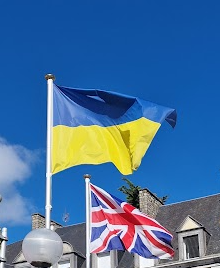
Stand fast with Ukraine! 4th Anniversary of the Russian Invasion

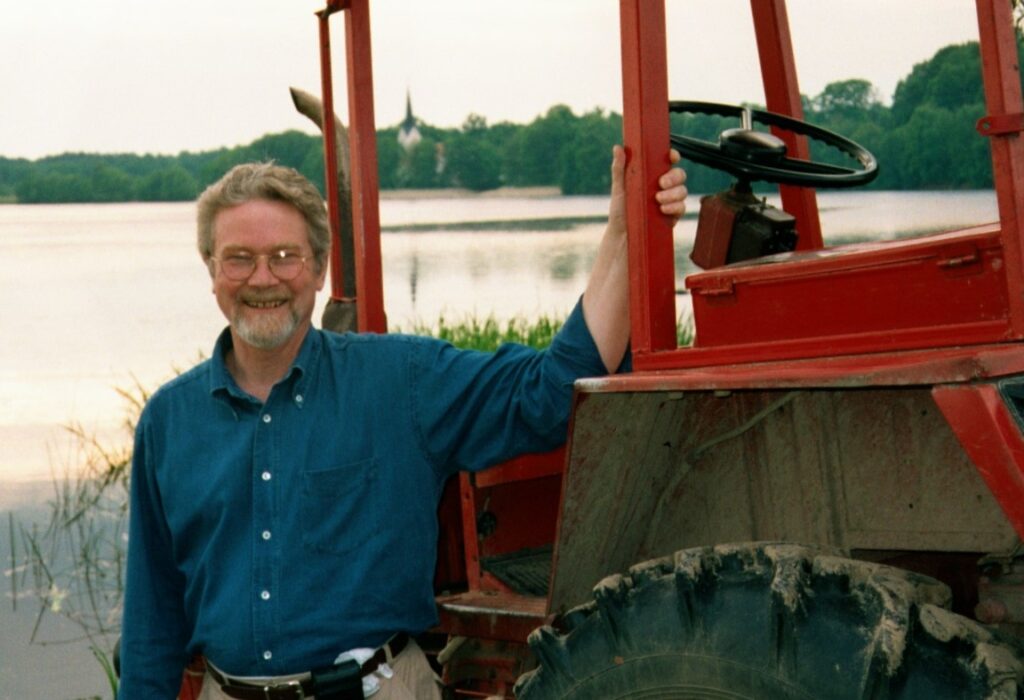
Author: Victor S Ient    citizen journalist

Stand Fast with Ukraine

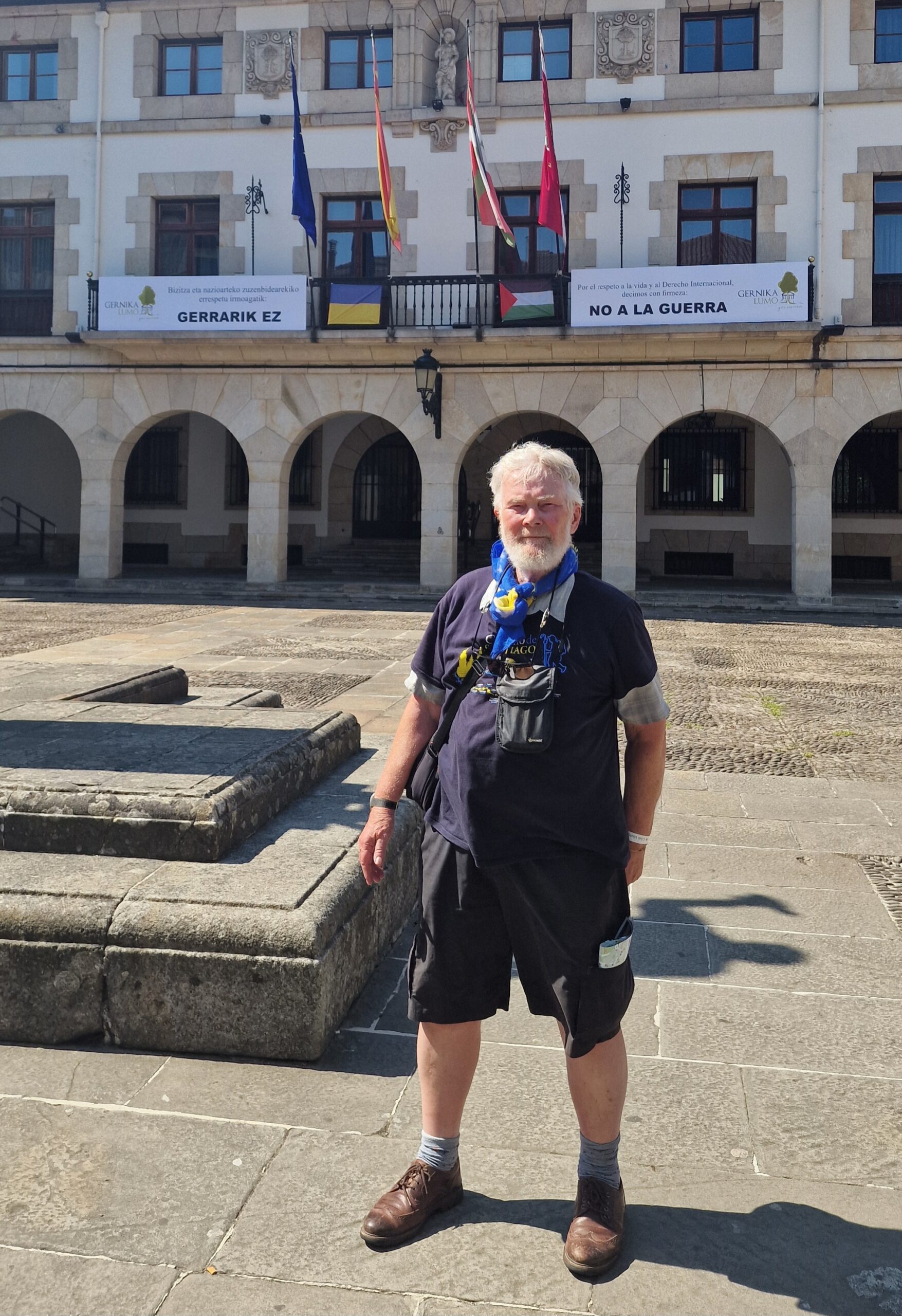
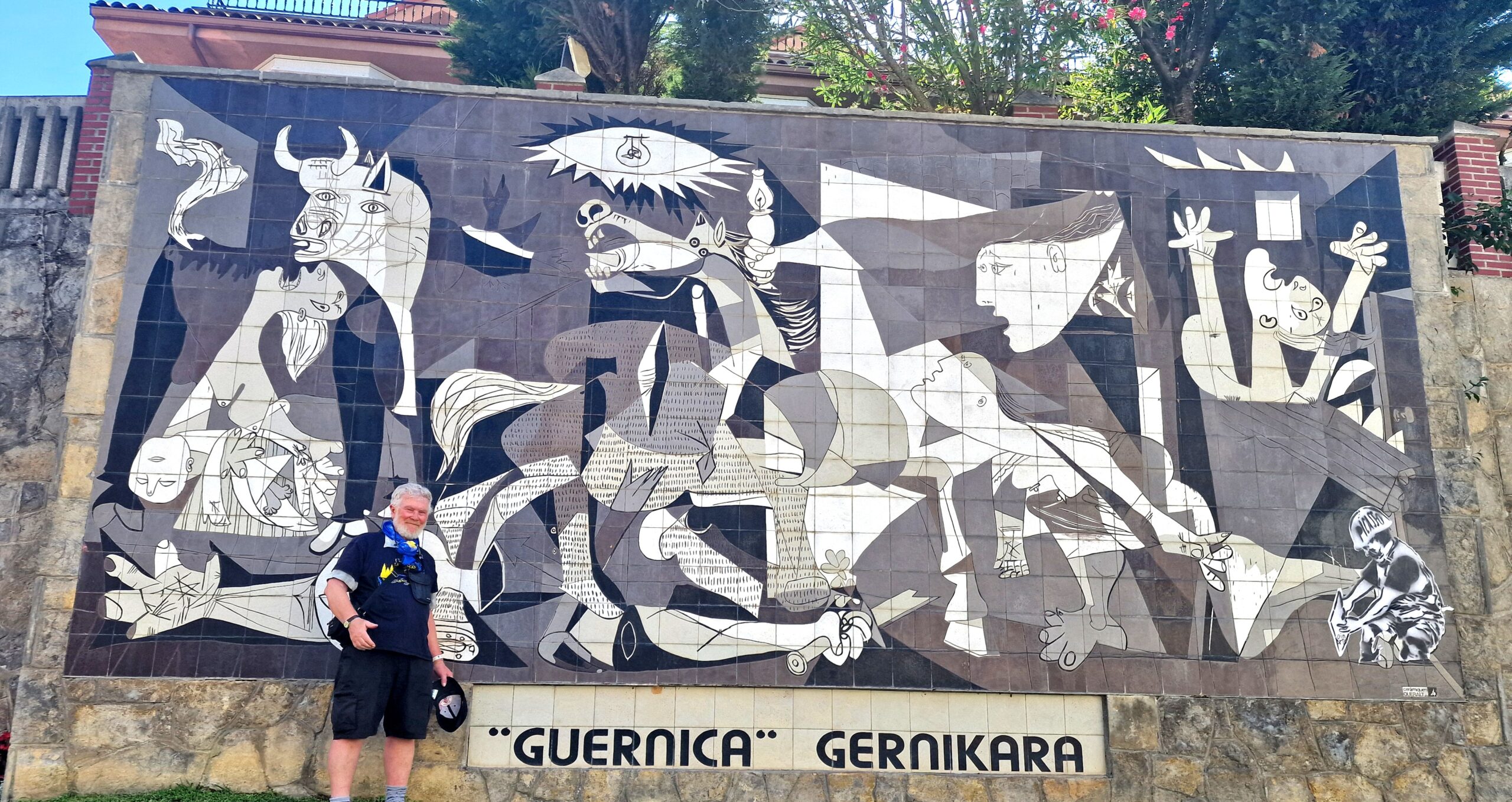
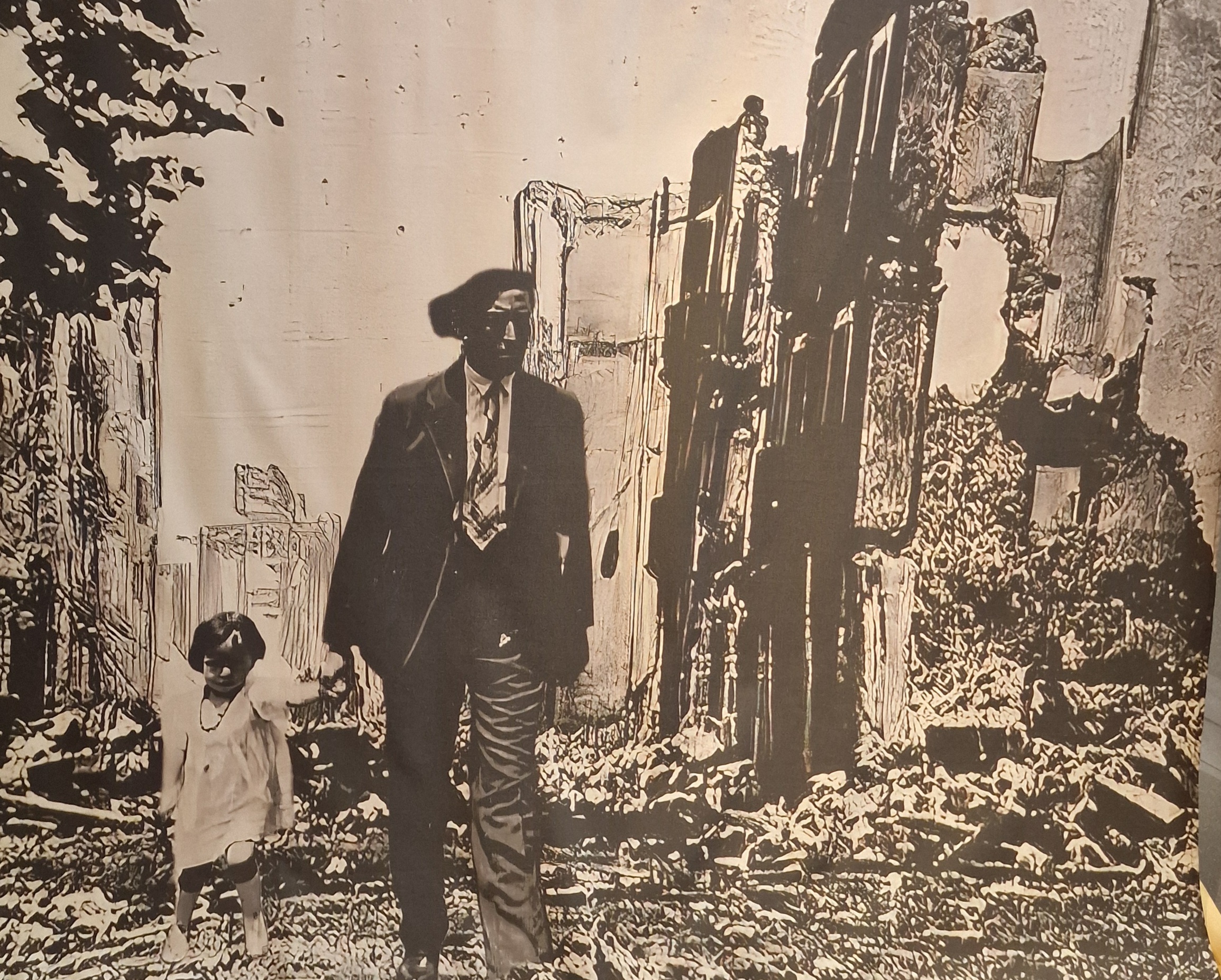
This year, during my travels, I will visit Guernica in Spain — a place that stands as a solemn reminder of the human cost of war. In 1937, during the Spanish Civil War, Guernica became the site of one of the first instances of mass aerial bombardment deliberately directed at civilians, carried out by Nazi forces. It marked a devastating turning point in modern warfare. Tragically, what was once considered unthinkable has since become an all-too-familiar feature of conflict especially in Ukraine.

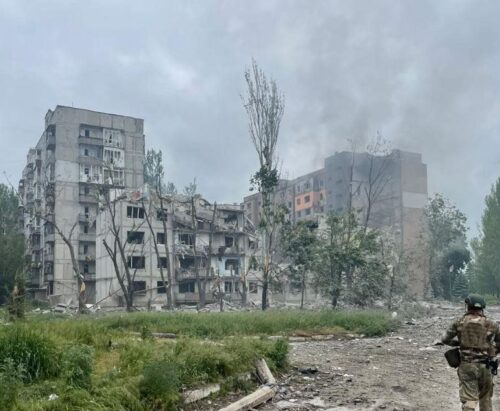
Nearly every night, Putin’s forces launch missile and drone attacks on Ukrainian cities, targeting power stations and residential blocks but civilians going about their everyday business. The consequences are severe. Ukrainian winters are unforgiving — with temperatures frequently plunging below –20°C — and the deliberate destruction of energy infrastructure places millions at risk with no heating and cooking facilities. It is difficult to comprehend that, four years on, these mass rocket and drone attacks continue even as so-called peace talks persist. While diplomatic discussions make headlines, the bombardment has not ceased. Yet amid the devastation, there is resilience.

I am profoundly encouraged by the extraordinary efforts of Ukrainians here in the United Kingdom, working alongside British volunteers, to send essential civilian supplies to those in need. Generators, ambulances, and medical equipment are being delivered to support communities under constant bombardment. Even more inspiring is the unwavering courage and determination of Ukrainians who face nightly attacks with remarkable strength and dignity.

The Russian invasion may not end quickly. However, European governments remain resolute in their commitment to ensuring that Ukraine does not fall victim to imperial aggression. The Ukrainian people must not become prisoners in their own land, nor casualties of a despotic expansionist leader.

History teaches us the cost of silence and indifference allows despotic rulers to prosper. Guernica reminds us why we must stand fast with Ukraine.


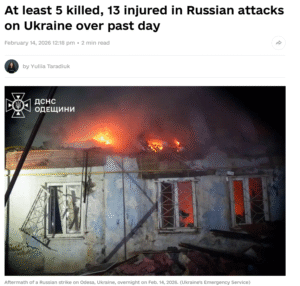
PS: I recommend following the news releases by the Kyiv Independent. The Kyiv Independent online news journal reports just yesterday of more Russian attacks on Ukraine saying at least 5 killed, 13 injured (February 14, 2026 12:18 pm)


Criminal abduction of Ukrainian children by Russian authorities

Report by Victor S Ient

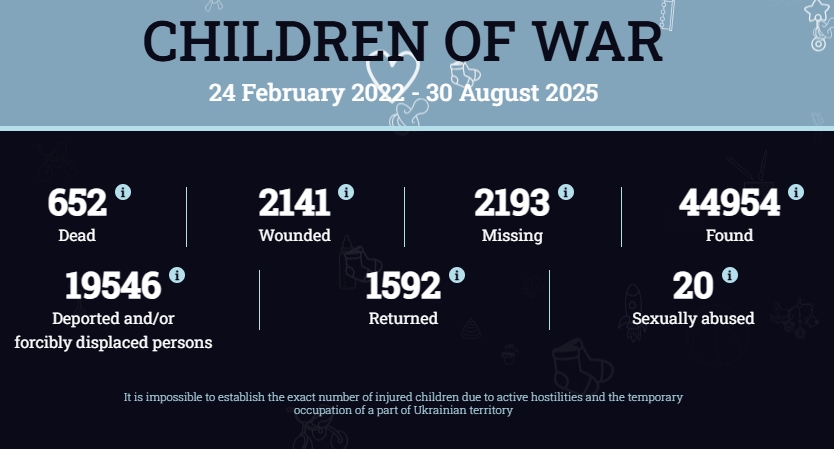
The image above is from the Children of War web site.

Do you have young children or young grandchildren? How would you feel about your children being abducted, or your children or grandchildren being taken away by a foreign power, so that you might never see them again?  If this happened in England or in almost any country around the world, there would be uproar. This is exactly what is going on right now in Ukraine. Putin and his Russian authorities are stealing children from Ukraine, taking them away, and indoctrinating them against Ukraine. Ukrainian families may never see them again.

The Russian invasion of Ukraine: Criminal abduction of Ukrainian children by Russian authorities! There are different estimates of the numbers, but we’re talking thousands of children. Wikipedia puts the number at 20,000.  The Guardian puts the figure of abducted children at a much higher level saying as many as 35,000 Ukrainian children are still missing and thought to be held in Russia or Russian-occupied territories.  Whatever the level of abductions it’s very clear that this practice of stealing children is a widespread practice by the Russian authorities. Putin’s evil practice must be stopped.  We must do what we can to bring pressure on the Russian authorities despite President Trump’s lack of action on the matter. I believe the taking of children is partly designed to undermine the morale of Ukraine. In international law the abduction of children is a crime. Under the 1949 Geneva Conventions, children are recognized as protected persons and are considered an “object of special respect” under Article 77 of Additional Protocol I of 1977.

o you agree with me? What action should be taken?  Write to your MP, your MEP or your US Senator. Please comment on this post.

Please check out this article as below:

Continue reading “Criminal abduction of Ukrainian children by Russian authorities”

1000-mile cycle ride from the South of France to Dieppe!

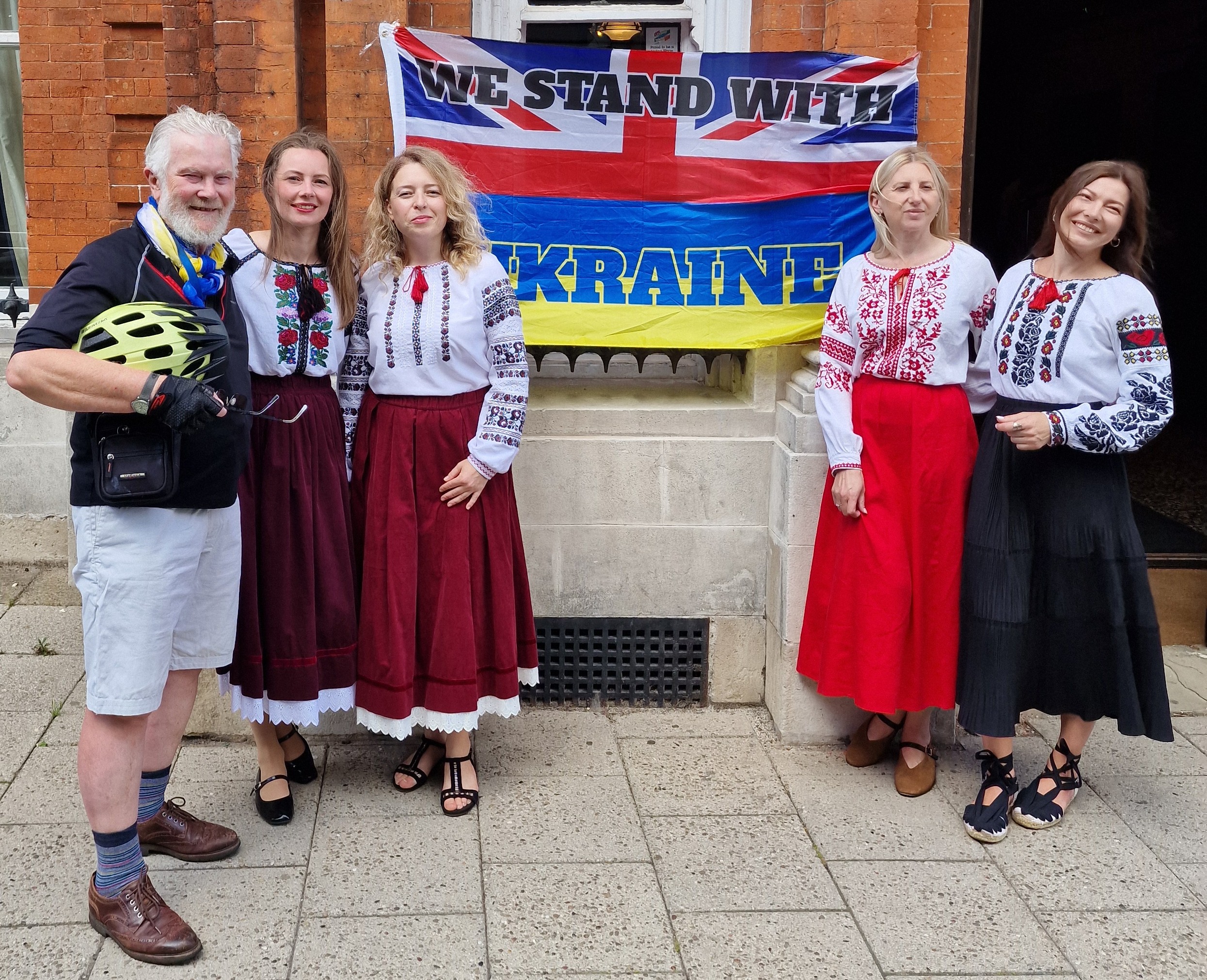
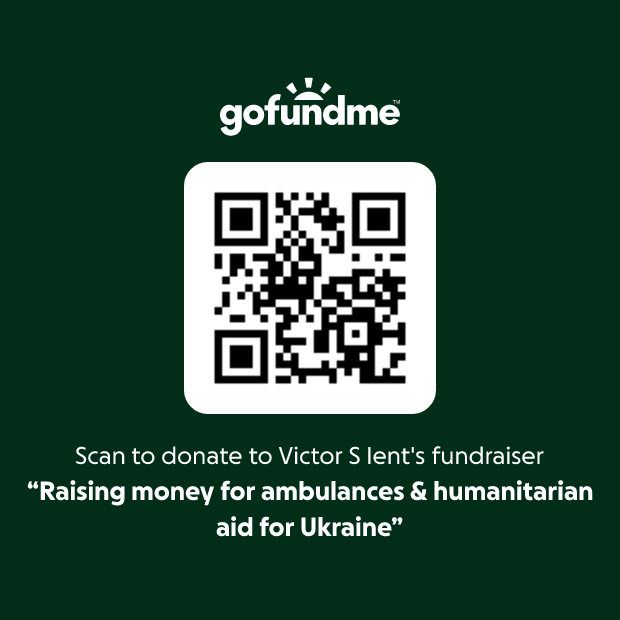
On 20th May I started out to attempt to cycle over 900 miles from the South of France to Dieppe and then back to Lewes via the ferry. Whilst I was on my 900+ mile ride I raised funds (and still continues back in England) for medical and other civilian aid to be sent to Ukraine. Please click HERE to DONATE:

Earlier this week on 10th June I completed my last day of the cycle ride ride from the south coast of France to Dieppe by cycling along a section of the Avenue Verte in Normandy. I have cycled  for 20 days in total, plus two days of rest. The distance covered is 1,590 km (982 miles + 18 miles to and from Lewes in Sussex). The ascent over the period was 14,276 m, that’s 46,837 ft of ascent.

It’s been a fascinating journey and very enjoyable but quite often completely exhausting. I’ve enjoyed meeting people on the way and cycled with other cyclists at times. It has been an epic journey in often stunning scenery. My journey has now become the subject of an article in the June/July issue of Cycle UK magazine. See page 26. Here is a PDF copy:

June/July issue of Cycle UK magazine.

Check this article out from the Sussex Express published at the end of the ride:
“When looking for a challenge to help raise money for charities in Ukraine, Vic Ient (78) from Lewes decided a cycle ride through France would fit the bill.”

Click HERE for updates about the trip

For more information about the cycle route click HERE


Map of France – Permission is granted to copy, distribute and/or modify this document under the terms of the GNU Free Documentation License, Version 1.2 or any later version published by the Free Software Foundation

© 2026 Sussex For Ukraine